Setting the needle down: where The Turntable is headed
The Turntable starts with a clear ambition: build a serious independent music venue where sound, hospitality, and editorial culture share the same room.
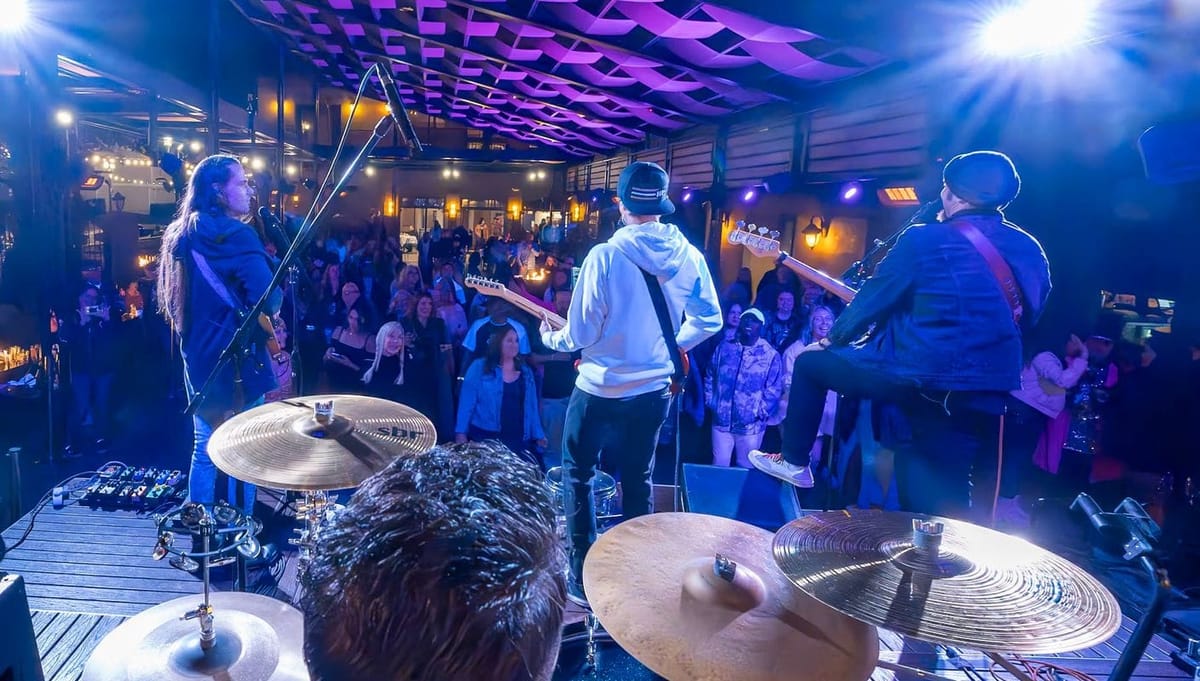
The Turntable begins with a simple idea: create a place in Old Town Temecula where live music is treated as the main event, hospitality is part of the experience, and every detail feels considered.
Our working phrase is Hi-Fi Food Drink & Music. It is both a promise and a filter for the decisions ahead. The room should sound good. The food and drinks should belong in the same conversation. The stories around the artists, the building, and the people making it happen should have a home of their own.
A venue first
We are building the identity of a serious independent music venue. That means thinking beyond the usual restaurant website: the artist on stage, the audience in the room, the anticipation before doors, and the memory people carry home afterward.
The goal is not to place music in the background. The goal is to build a place around listening.
Hospitality still matters deeply. A memorable night depends on far more than a set list. It comes from the welcome at the door, the way the room moves, the food on the table, the drink in hand, and the feeling that the venue understands why everyone came.
One experience, three systems
The digital foundation follows the same principle: each part has a clear job.
- Ghost is the editorial room. It holds stories, news, artist profiles, venue history, and the images that belong to those stories.
- Restaurant.Ninja will provide structured operational information such as artists, shows, dates, times, menus, and venue details.
- Next.js is the presentation layer. It brings those sources together inside the Turntable design system.
Keeping those responsibilities separate lets the website grow without turning its presentation layer into the place where business rules live.
Static by default
The public site is being built to generate static pages wherever practical. When an editor publishes in Ghost, the production workflow will eventually trigger a new build, retrieve the latest content, and generate an updated site for the CDN.
- An editor publishes a story.
- Ghost notifies the build system.
- Next.js retrieves the current published content.
- The site generates static HTML.
- The updated files deploy to the production edge.
This approach keeps the public experience fast and dependable while leaving room for focused dynamic features later, including a real in-design preview workflow for unpublished Ghost drafts.
A publication inside a venue
The website will cover more than announcements. We want room for the artists who play here, the records and influences behind the sound, the history of the venue, the work happening during the buildout, and the people shaping live music in Temecula.
The live-performance photograph in this story comes from Baily’s live music program. It is a reminder of what matters most: musicians and audiences sharing a room, with all the energy that cannot be reproduced anywhere else.
What comes next
The first technical foundation is now working. Ghost content can travel through a typed editorial adapter into statically generated Turntable pages. The next phase is visual: typography, color, spacing, photography, editorial layouts, and a design language that feels equal parts live venue, independent record label, music publication, and hospitality.
This is an early dispatch, not a finished identity. The needle is down. Now we listen, refine, and keep building.
